Who are we?
Grimsby Community Energy (GCE) is a not-for-profit, community benefit society working to deliver practical, locally owned renewable energy projects across North East Lincolnshire and surrounding areas.
Our mission is simple:
to reduce energy costs, cut carbon emissions, and keep the financial benefits of energy generation within the local community.
We develop, fund, install and manage renewable energy projects—primarily rooftop solar and battery storage—on behalf of local organisations. In return, those organisations benefit from lower-cost, locally generated electricity without upfront investment, while surpluses are reinvested into community initiatives.
Our Story
Grimsby Community Energy was established in response to two clear challenges facing our area:
-
Rising energy costs for households and organisations
-
The need to transition to a low-carbon future in a way that benefits local people
From the outset, GCE has focused on practical delivery rather than theory—working directly with local partners to bring forward real projects that make a measurable difference.
What began as a small, volunteer-led initiative has grown into a locally rooted organisation delivering multiple renewable energy schemes, supporting education, and building partnerships across the region.
Along the way, we have worked closely with schools, charities, businesses, and public sector organisations—demonstrating that community-led energy can be both financially viable and socially impactful.
What We Do
Solar PV Projects
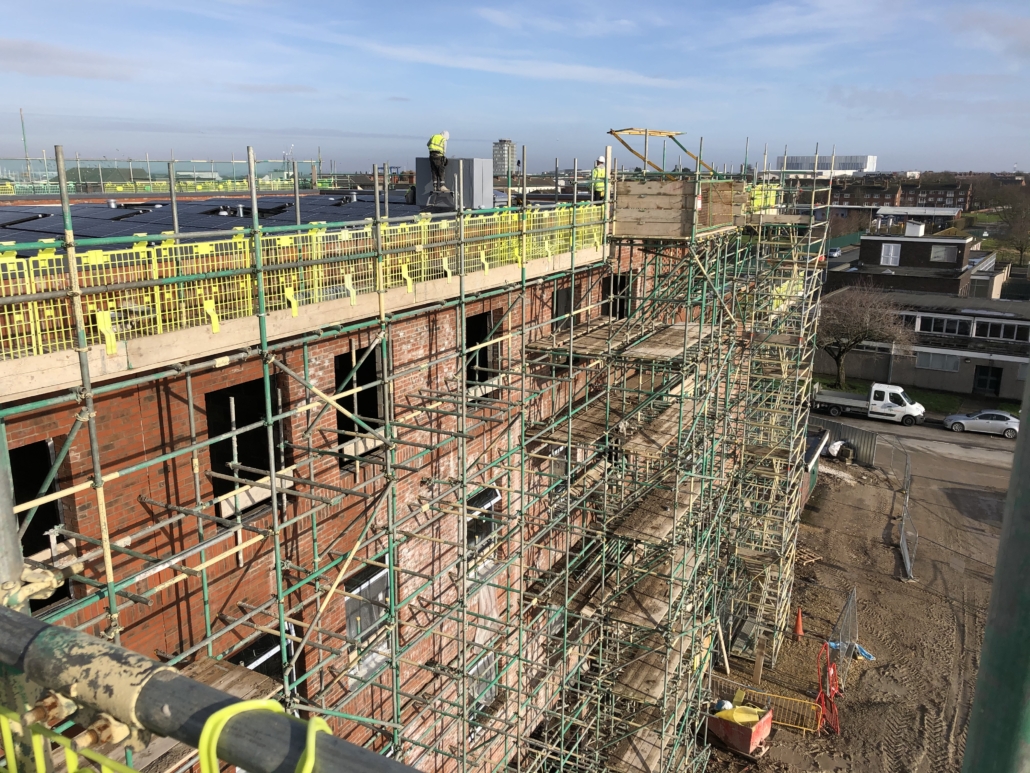
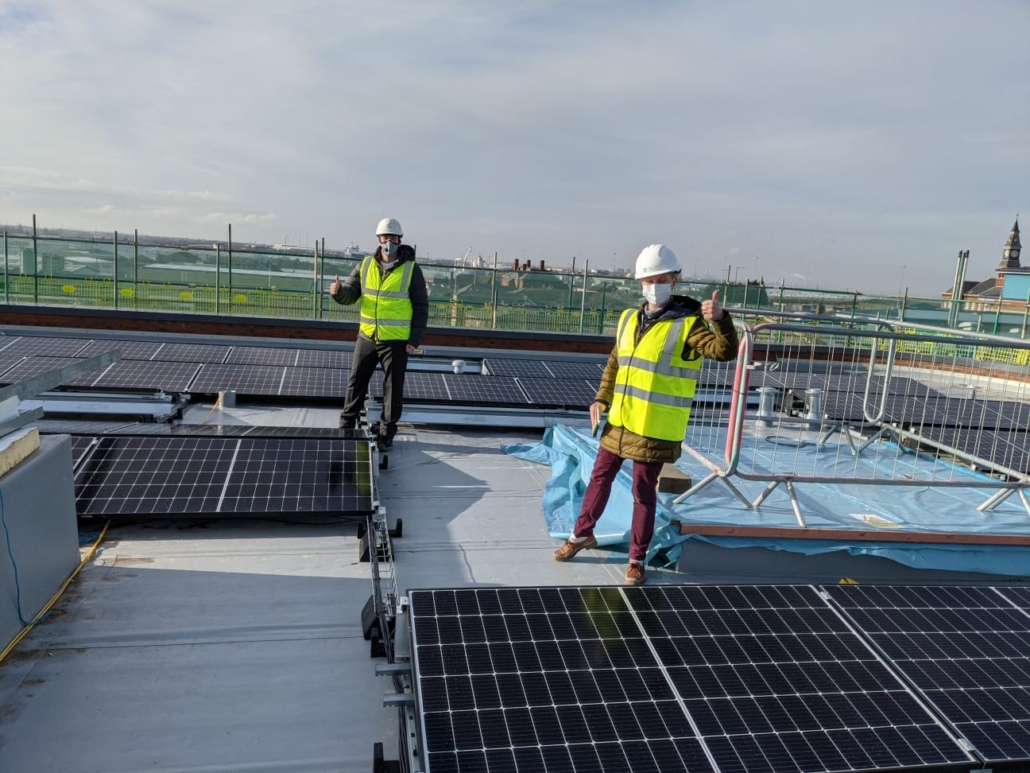
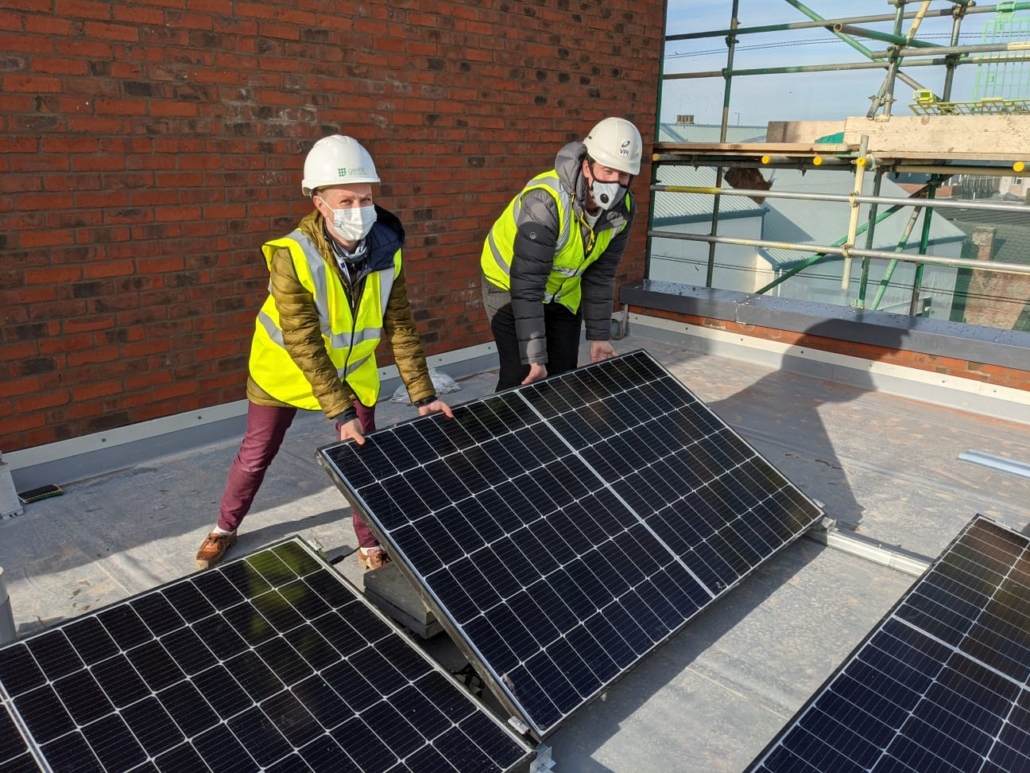
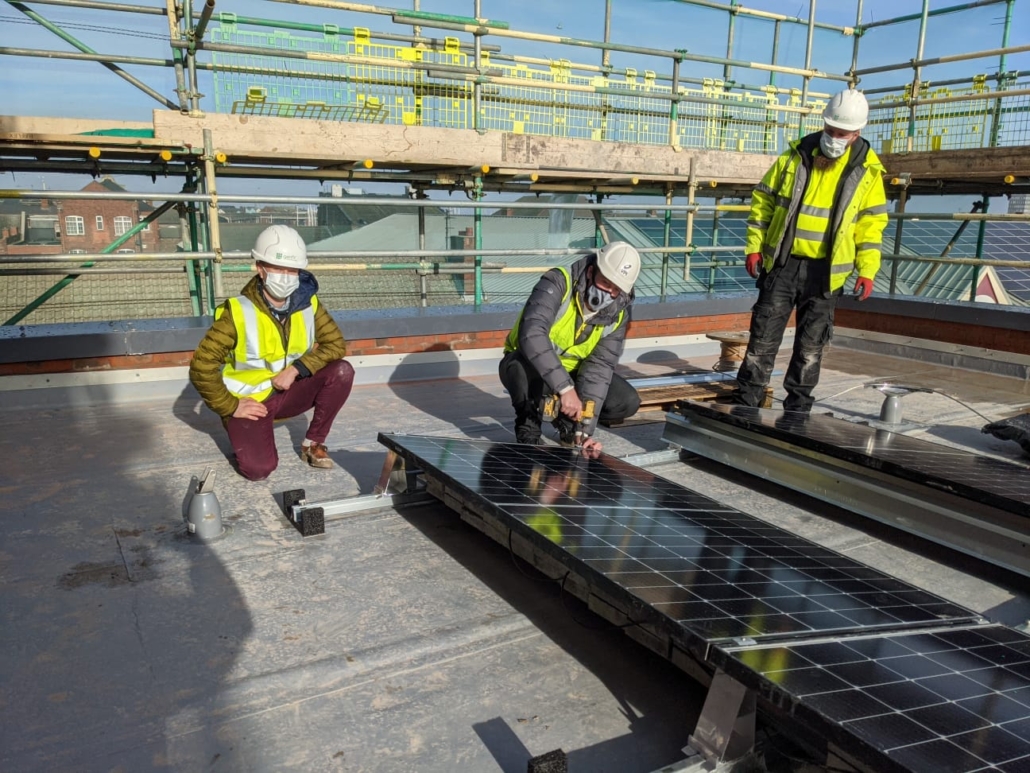
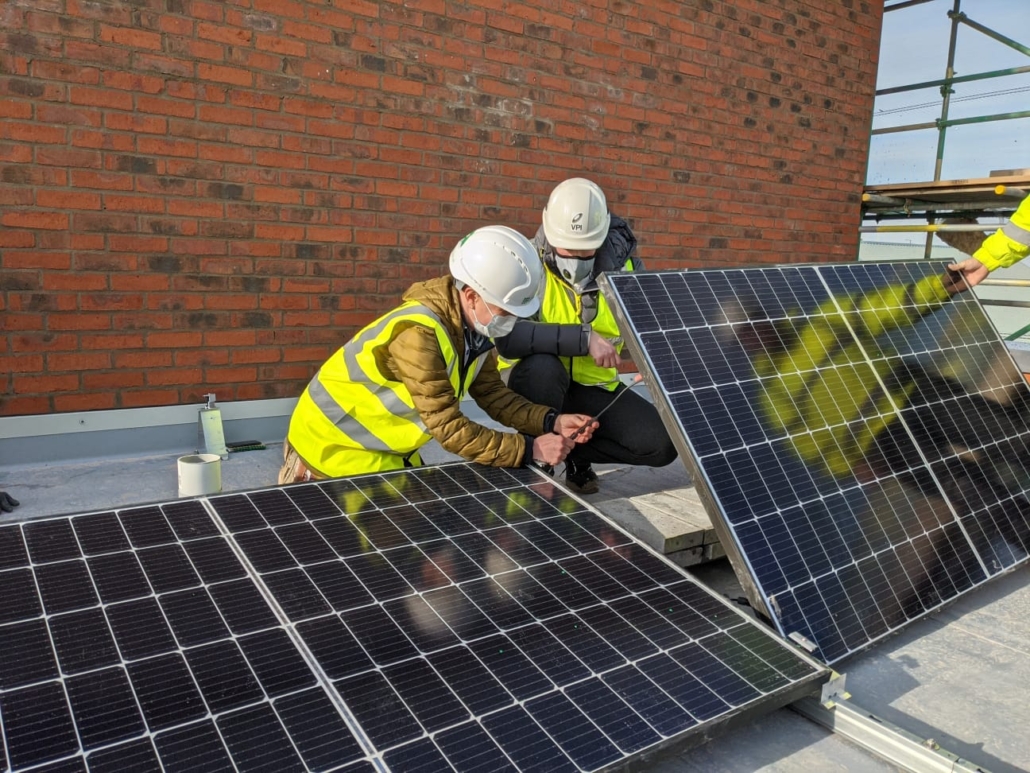
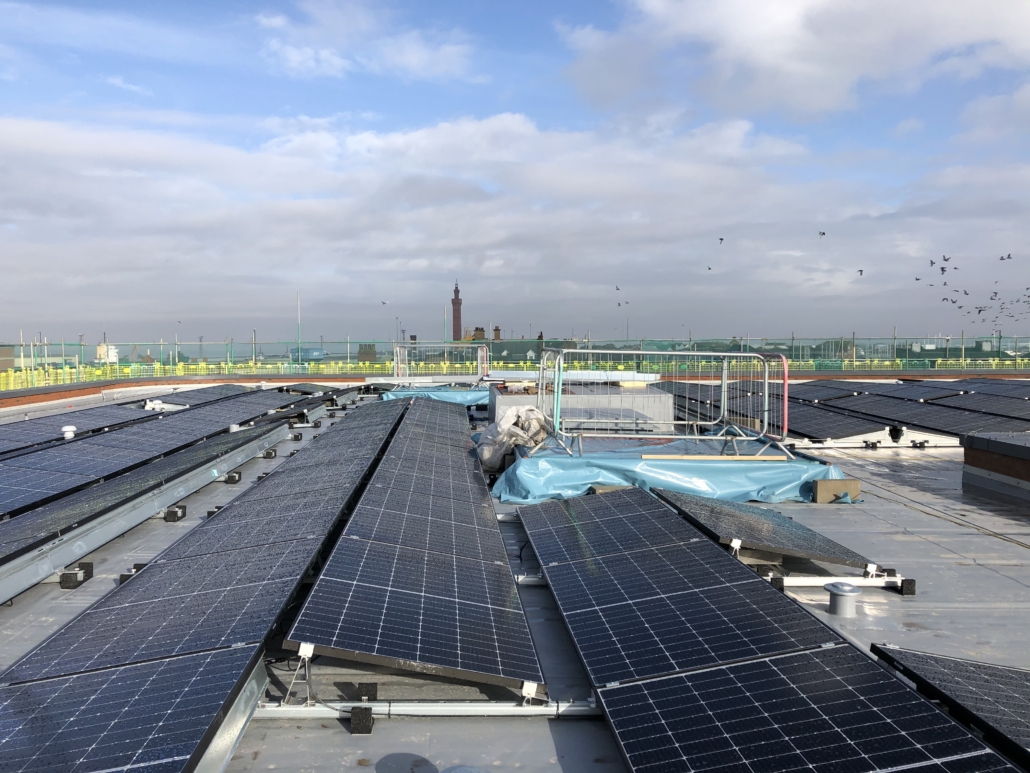
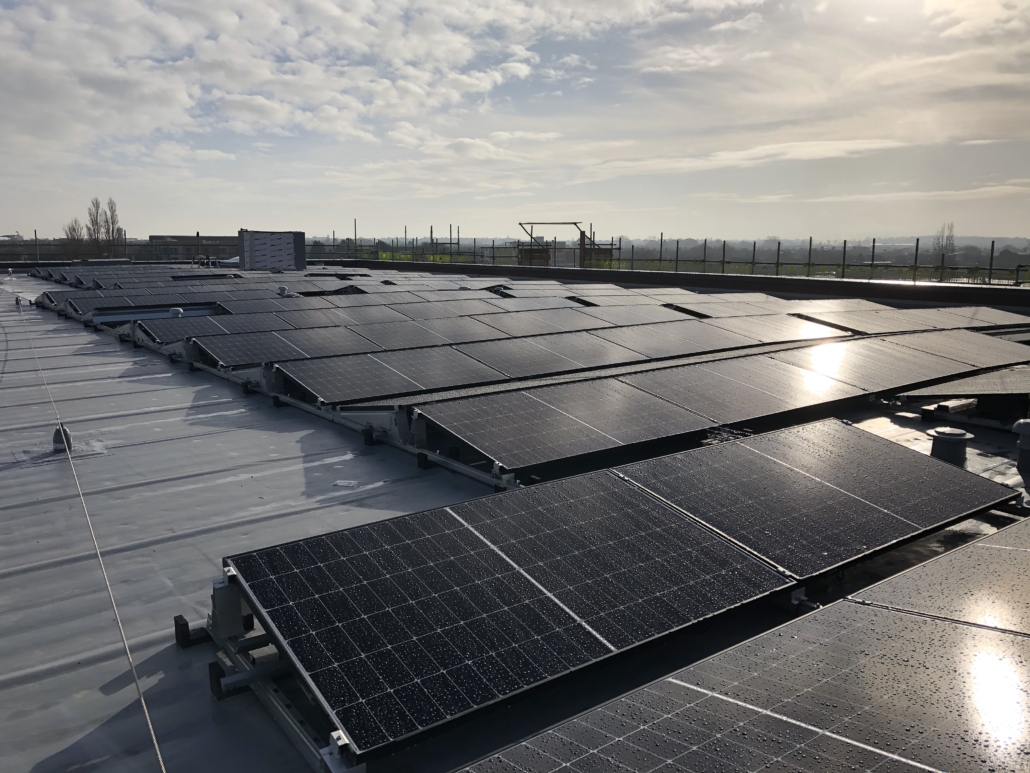
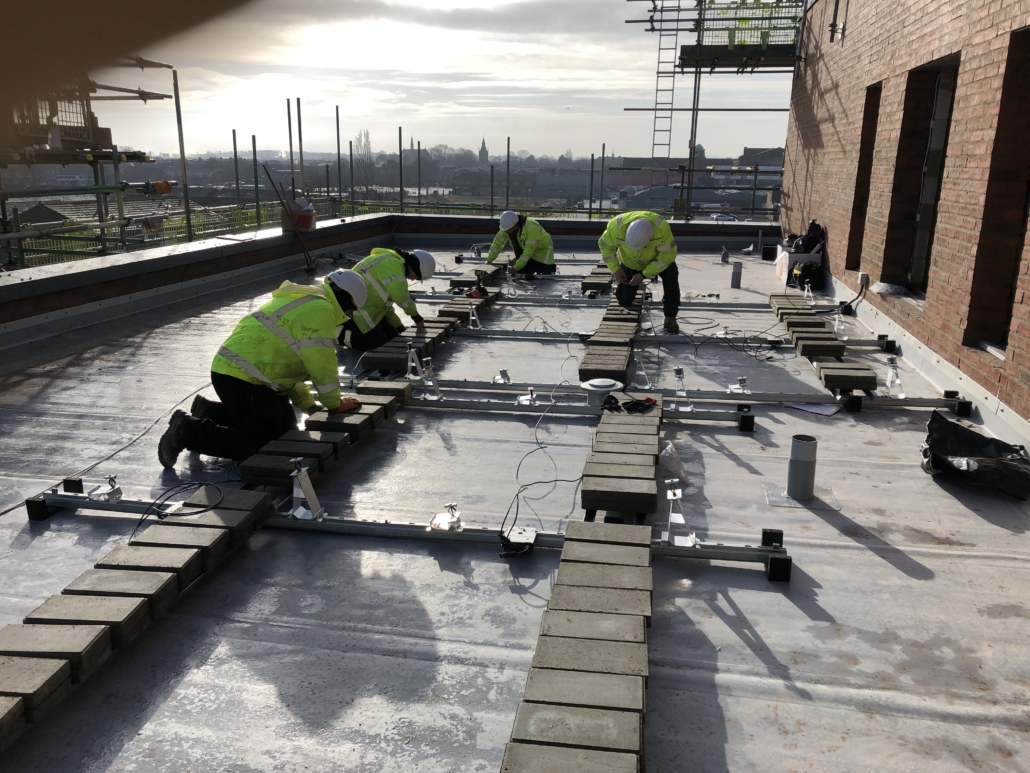
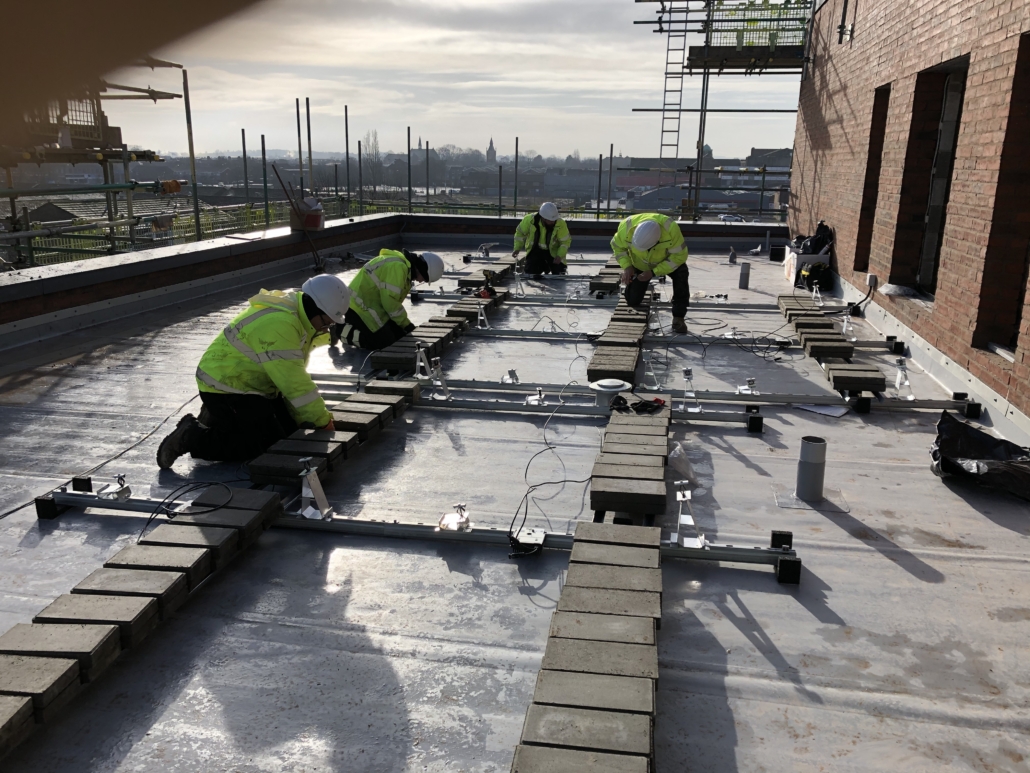
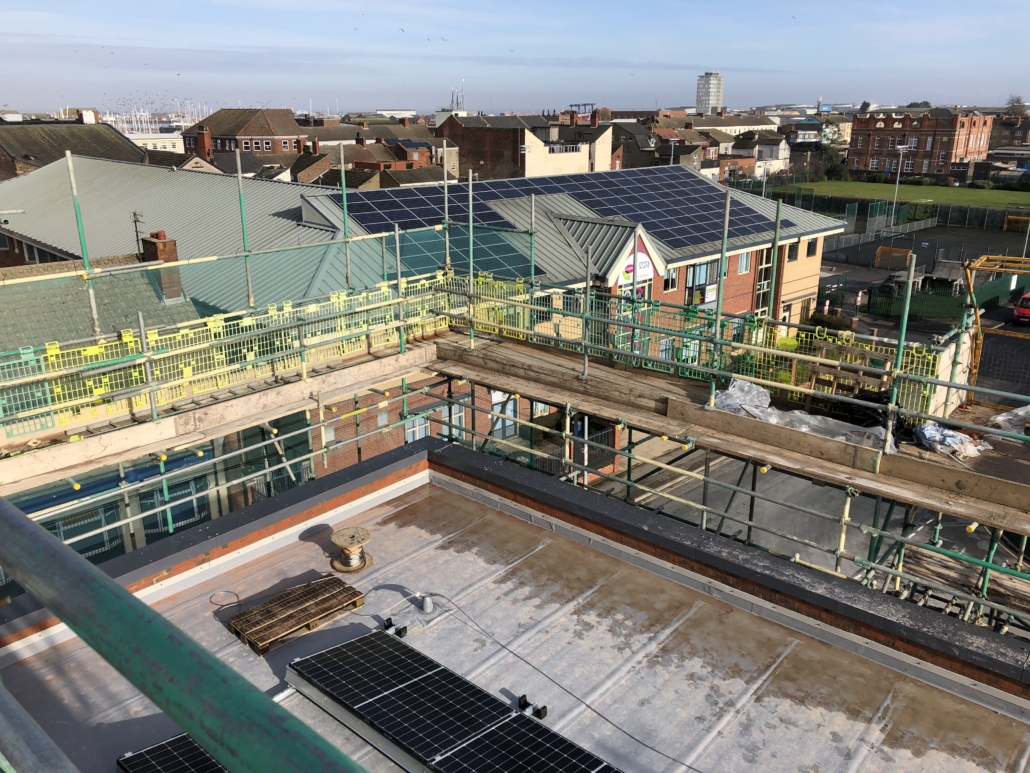
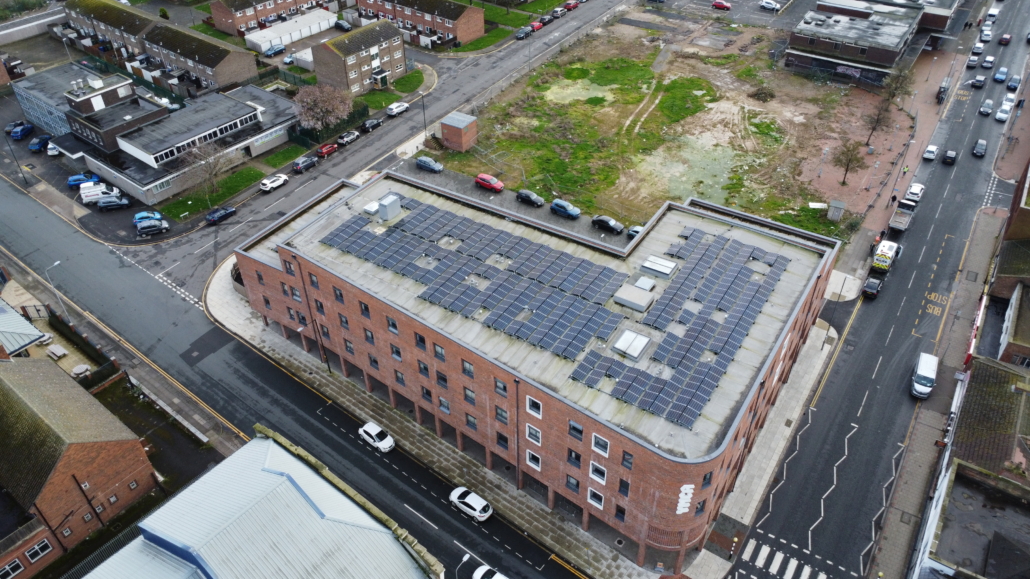
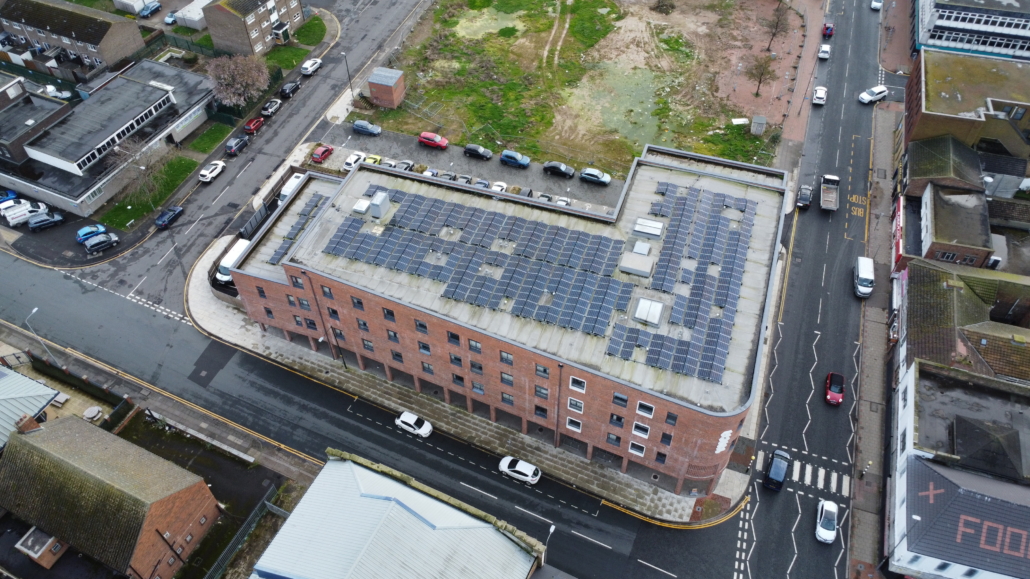
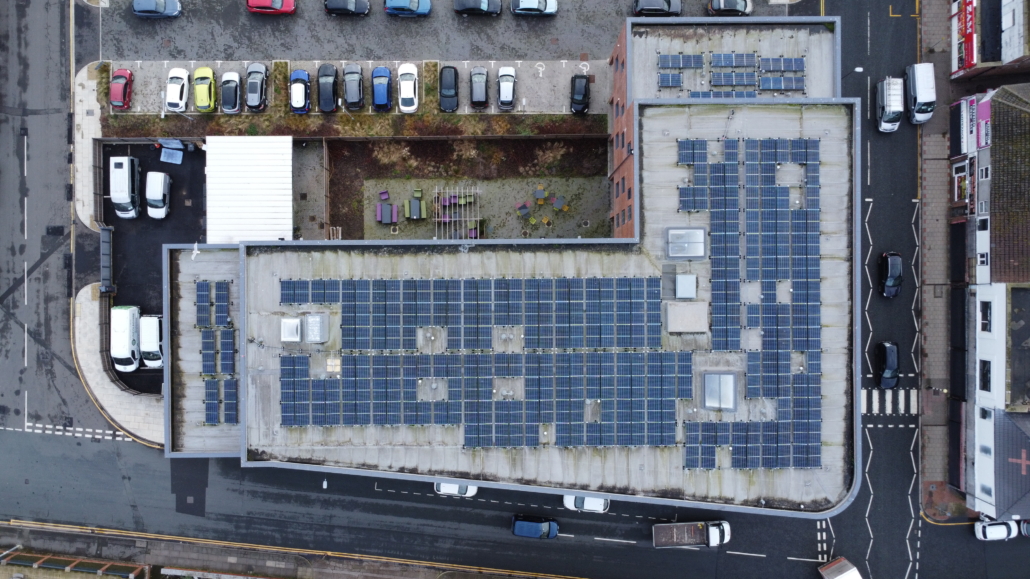
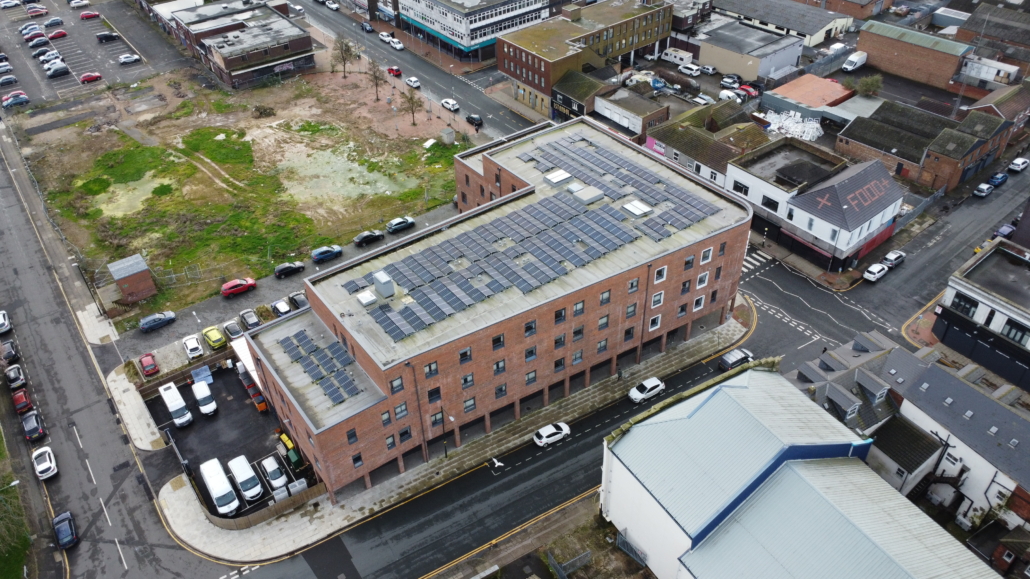
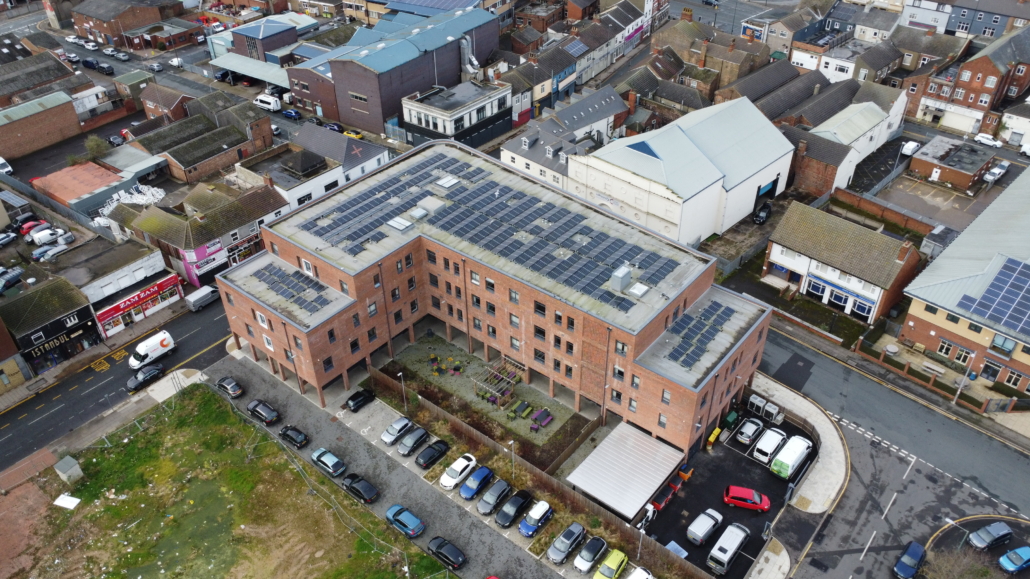
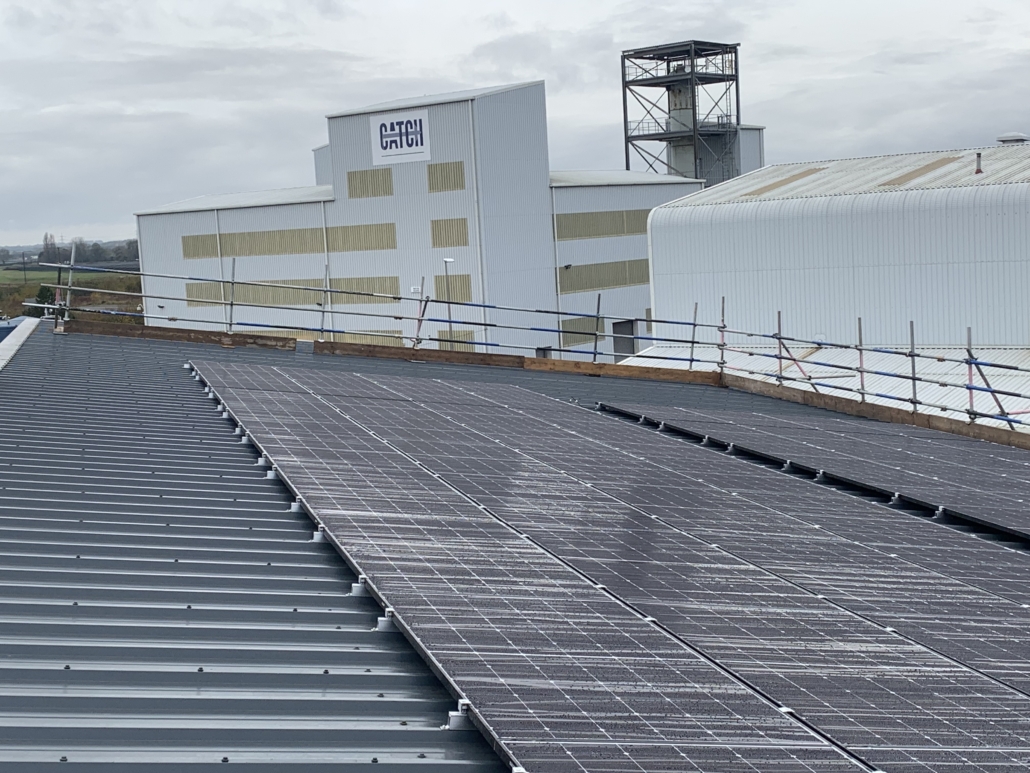
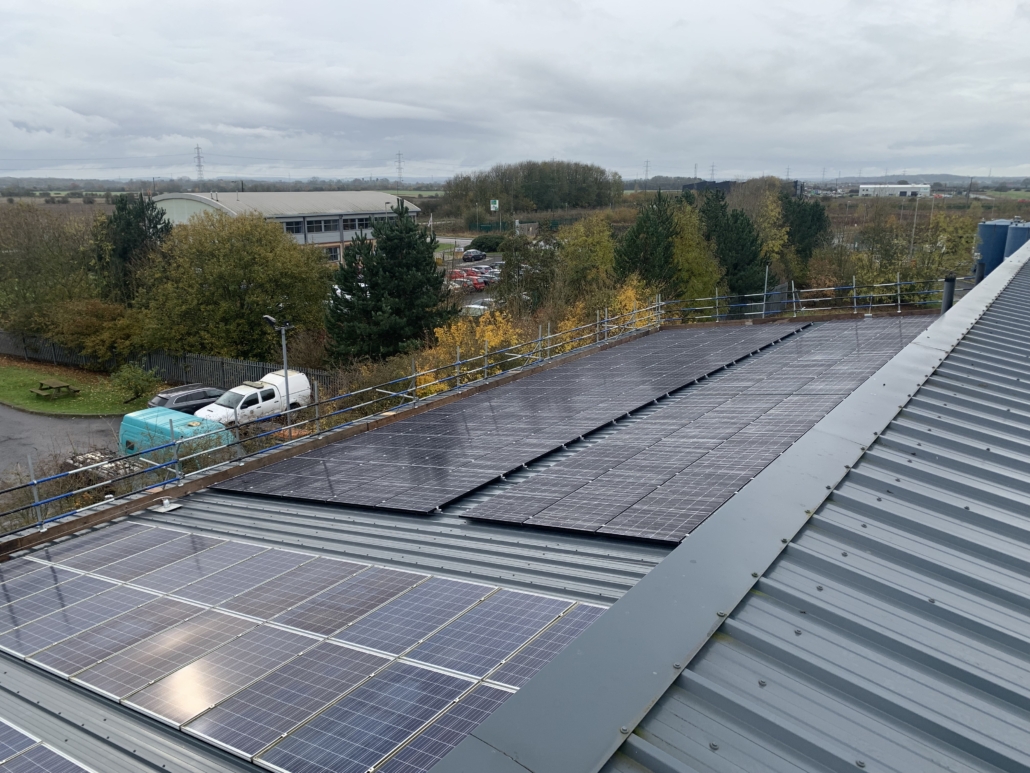
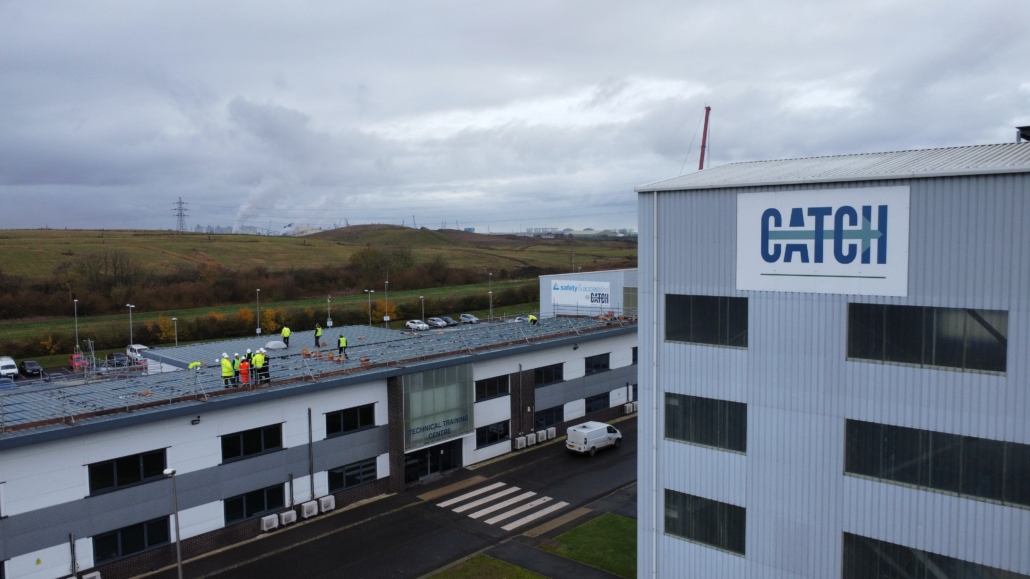
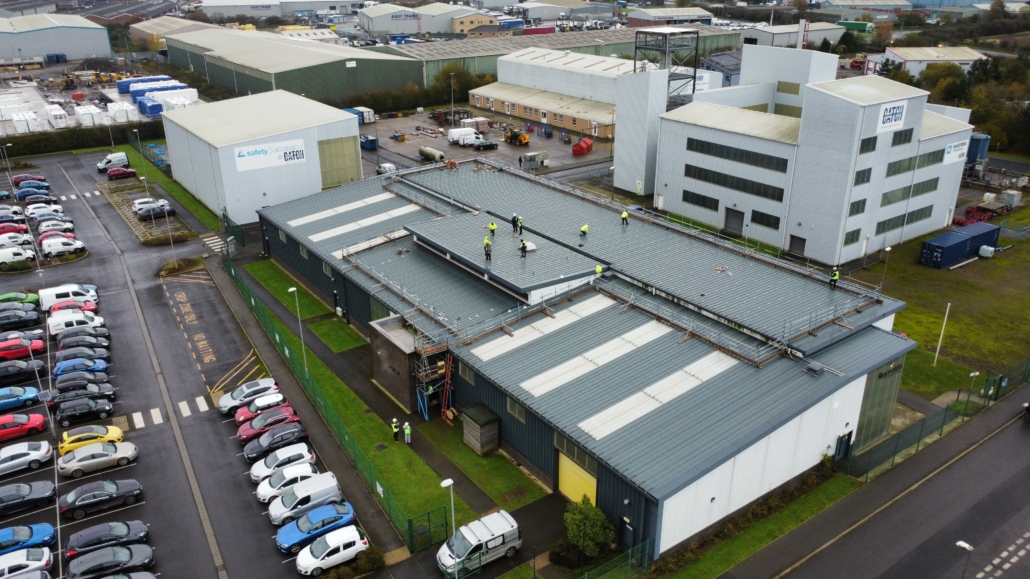
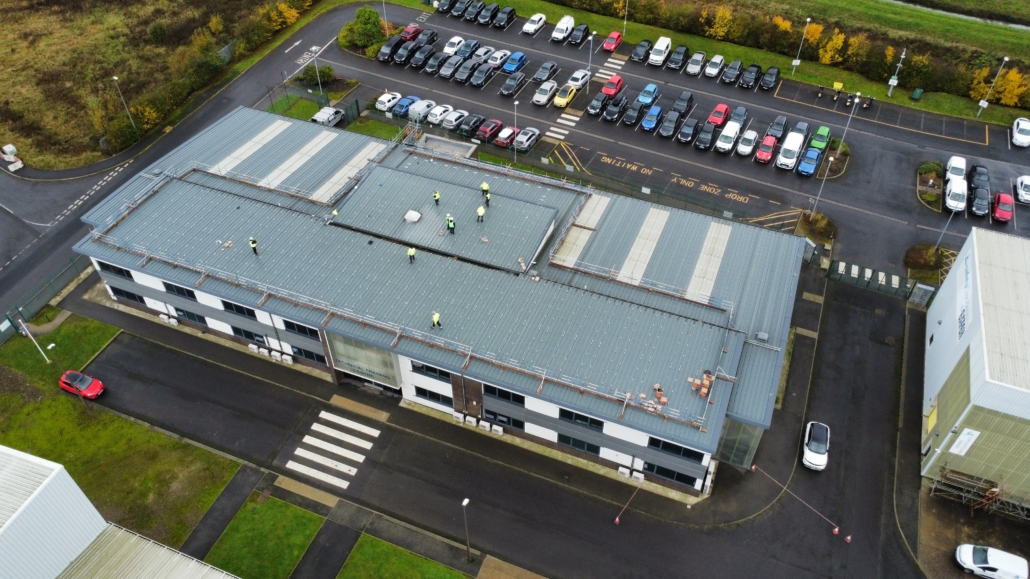
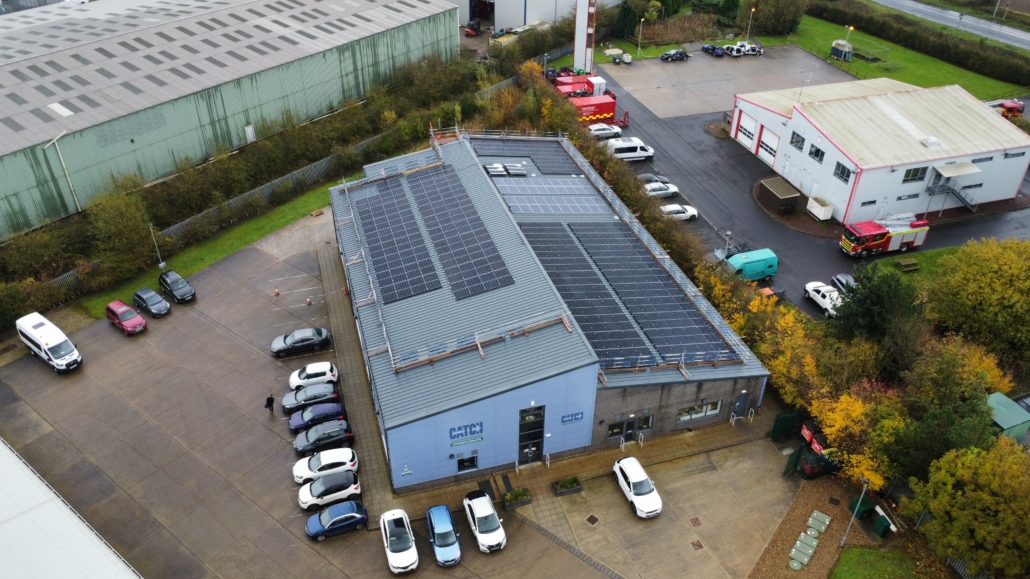
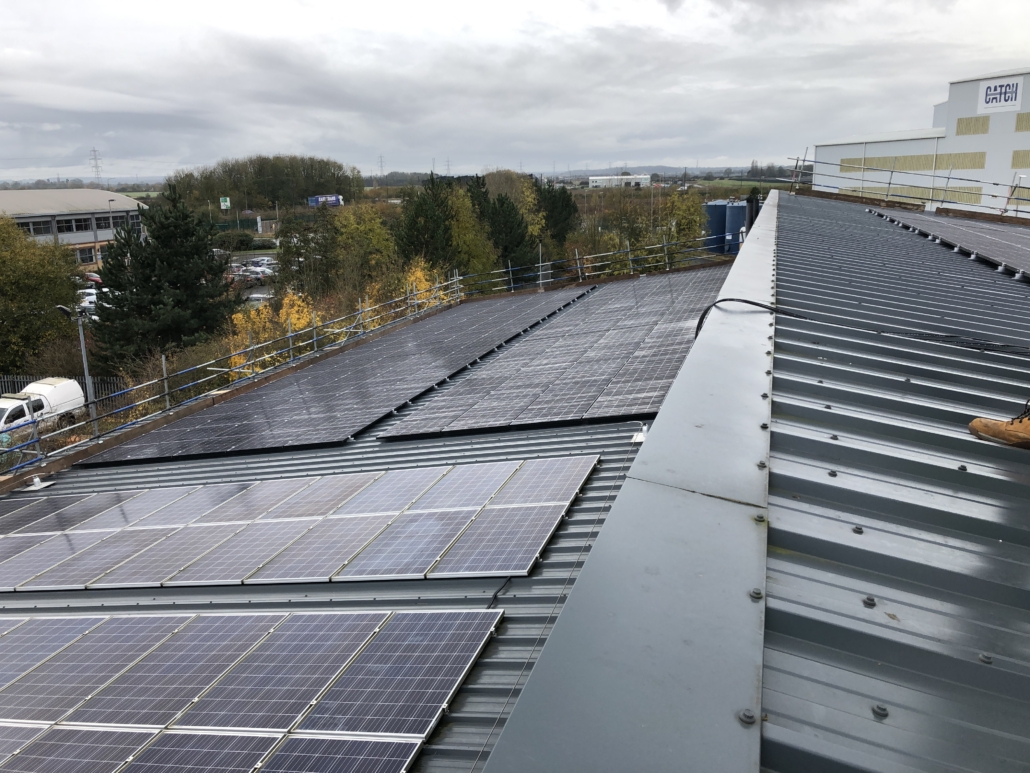
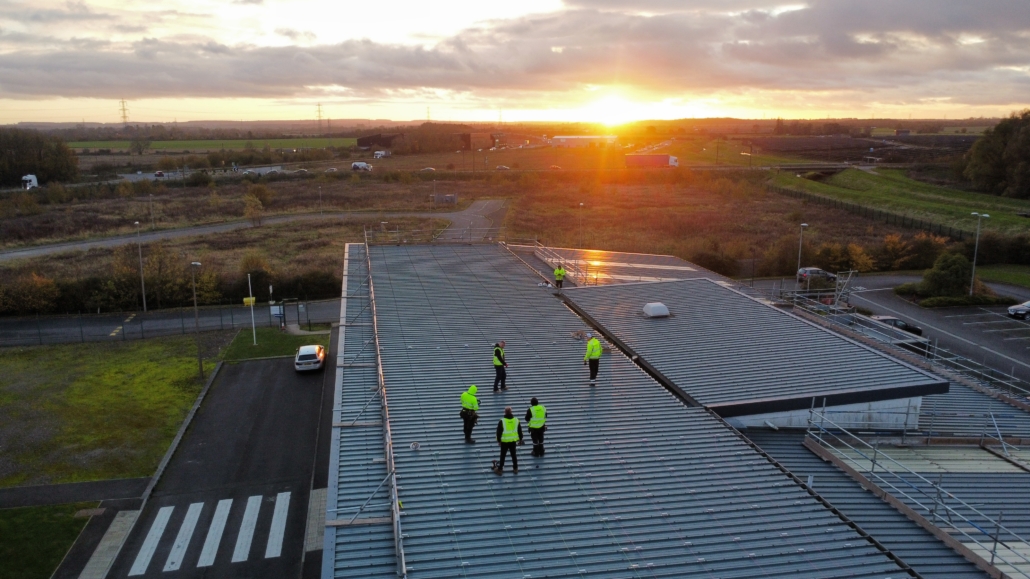
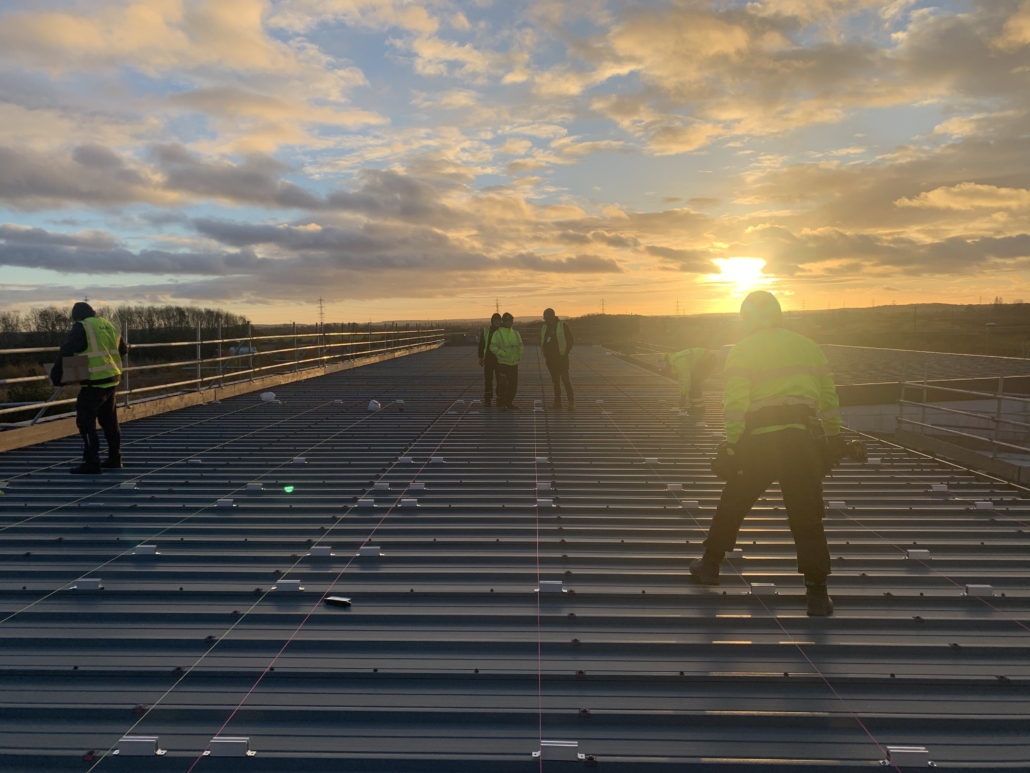
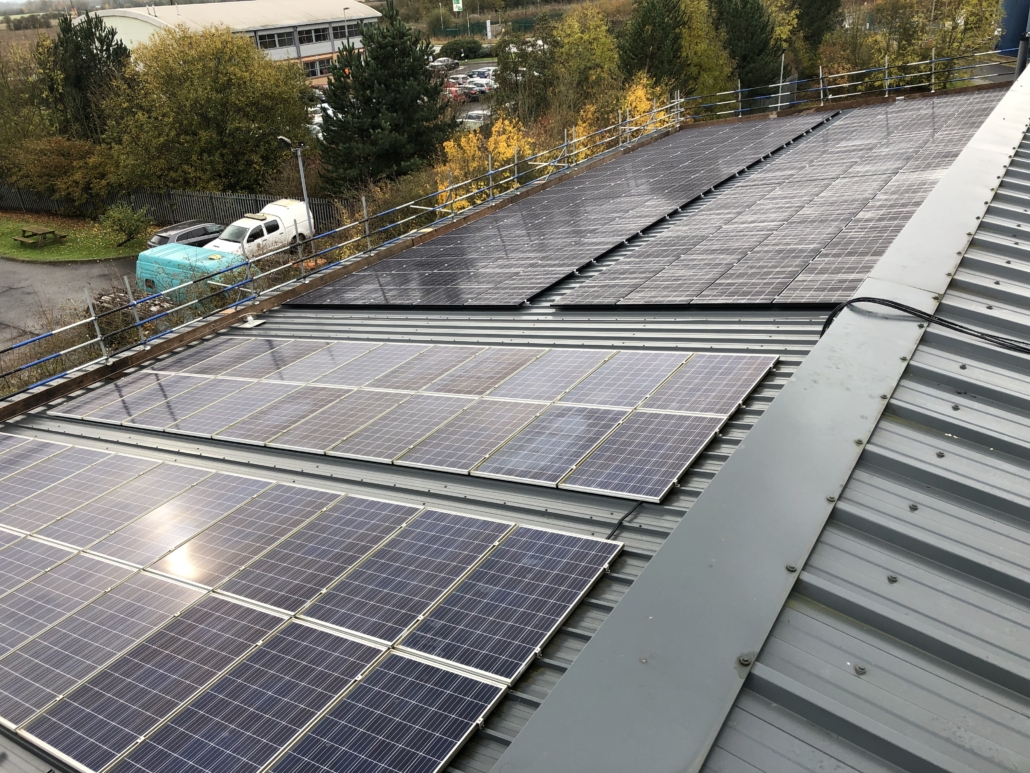
We install solar panels on suitable buildings at no upfront cost to the host organisation.
-
Reduced electricity bills
-
Long-term price stability
-
Lower carbon emissions
-
Fully managed installation and maintenance
Battery Storage
We are developing battery storage projects to:
-
Store locally generated renewable energy
-
Reduce reliance on the grid at peak times
-
Support a more resilient local energy system
Community Benefit
As a community benefit society, we reinvest surpluses into:
-
Fuel poverty support
-
Energy advice and engagement
-
Educational programmes
-
Local community initiatives
Our Impact
Grimsby Community Energy focuses on real, measurable outcomes, including:
-
Lower energy bills for local organisations
-
Reduced carbon emissions across the area
-
Increased local awareness of energy and sustainability
-
Opportunities for students and young people to engage with the energy sector
We also prioritise skills development and education, working with local colleges and training providers to support the next generation of the green workforce.
Key Projects
-
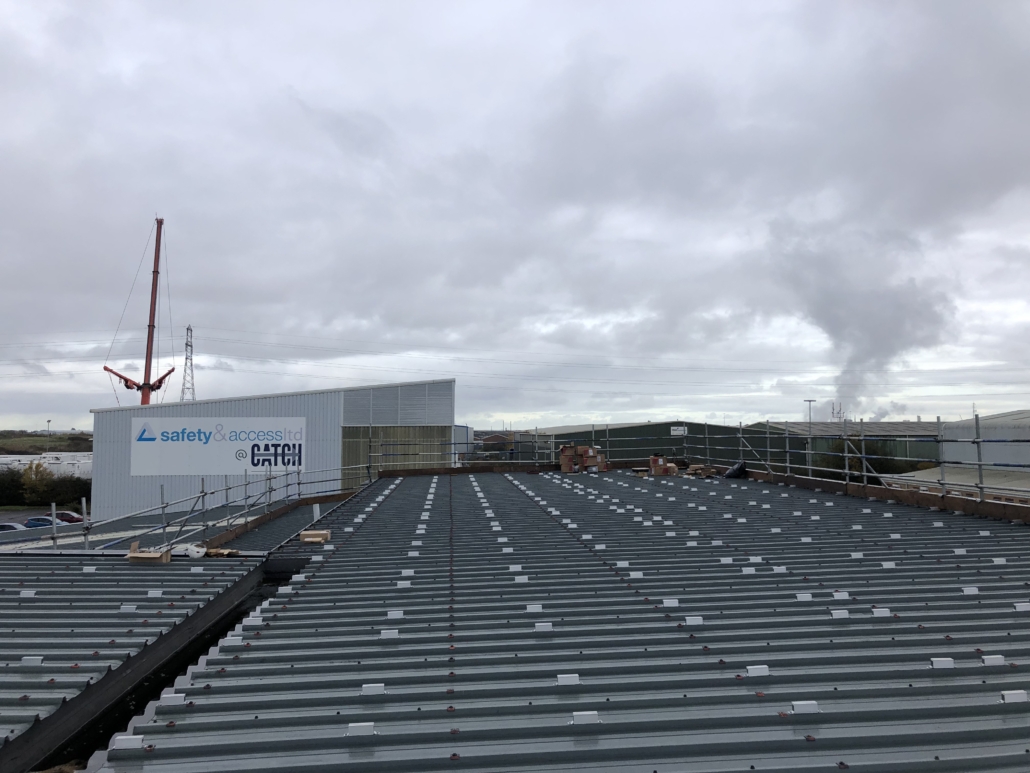
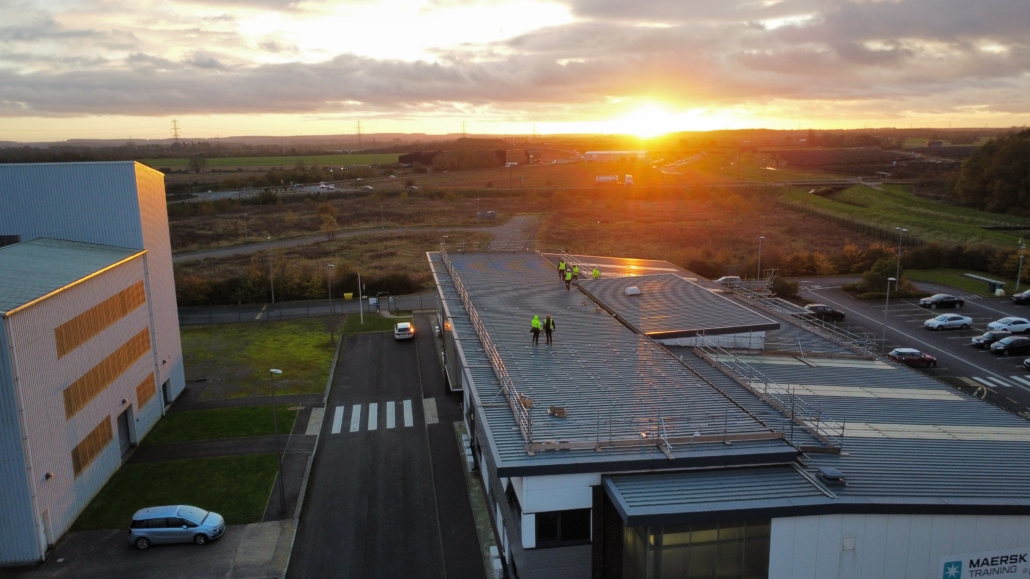
Delivery of rooftop solar installations across community and commercial buildings
-
Development of a community-led battery storage portfolio
-
Expansion of solar to organisations without access to capital funding
-
Exploration of innovative models to support households in areas of high deprivation
East Marsh Solar Project (In Development)
Grimsby Community Energy is currently developing a project to deliver:
-
Solar PV installations to approximately 100 homes in the East Marsh ward
-
Free electricity for participating households
-
Energy advice and support to reduce bills and carbon emissions
This project is focused on one of the most deprived areas locally and aims to demonstrate how community energy can directly support households most in need.
Our Approach
We believe energy should be:
-
Local – owned and delivered within the community
-
Fair – providing real benefits to those who need them most
-
Practical – focused on delivery, not just ambition
-
Collaborative – working with partners across sectors
We take a long-term, partnership-based approach, ensuring projects are financially sustainable and deliver lasting impact.
Governance
Grimsby Community Energy is a Community Benefit Society, meaning:
-
It is run for the benefit of the community, not private profit
-
Members have a democratic say in how the organisation is run
-
Surpluses are reinvested locally
The organisation is overseen by a volunteer Board of Directors with experience across energy, education, business, and community development.
Working With Us
We work with:
-
Schools and colleges
-
Charities and community organisations
-
Businesses and commercial sites
-
Public sector organisations
If you have a suitable building or want to explore partnership opportunities, we welcome conversations.
Events and Community Engagement
Grimsby Community Energy regularly hosts and participates in events to:
-
Support local businesses and organisations
-
Share knowledge and practical advice
-
Build partnerships across the region
Key events include:
-
Grimsby Energy Collective – Inspiring Cooperative Growth
-
Green Drinks networking events
-
Community advice sessions such as “Watts Up, East Marsh?”
Quotes
Dr Vicky Dunn, Managing Director, Grimsby Community Energy:
“Community energy is about more than generating electricity—it’s about creating opportunities, reducing inequality, and ensuring the benefits of the energy transition are felt locally. We are proud to be delivering projects that make a real difference across our community.”
Media Enquiries
For interviews, press enquiries, or further information, please contact:
Grimsby Community Energy
Email: steve.rusling@grimsbycommunityenergy.coop or vicky.dunn@grimsbycommunityenergy.coop
Key Facts (At a Glance)
-
Not-for-profit community benefit society
-
Based in Grimsby, North East Lincolnshire
-
Delivers solar PV and battery storage projects
-
Focused on reducing energy costs and carbon emissions
-
Reinvests surpluses into local community initiatives
-
Works with local organisations, businesses, and residents
Notes for Editors
-
Grimsby Community Energy is part of a growing national movement of community energy organisations across the UK.
-
Projects are typically funded through grants, partnerships, and community investment.
-
The organisation prioritises areas where energy costs and deprivation intersect.
Images for use